

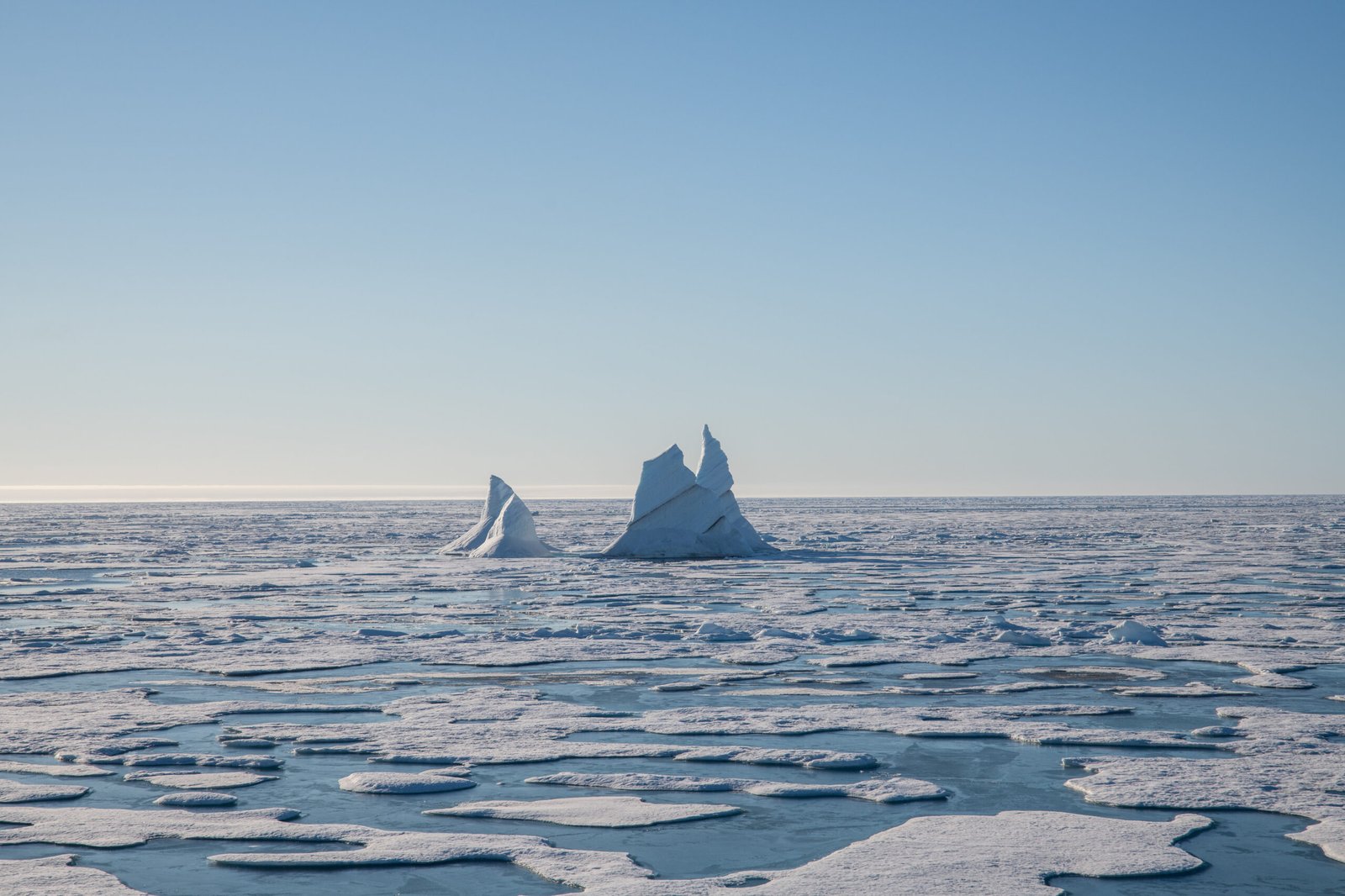
A new study spanning two decades reveals that the loss of sea ice has triggered an irreversible chemical shift in the Arctic Ocean. By exposing shallow coastal waters to intense sunlight, the melting ice has accelerated a process that destroys nitrate, the foundational fertiliser required for marine life to survive.
The study, published in Communications Earth & Environment, suggests the Arctic passed a critical ecological tipping point in 2009. The resulting nutrient famine is already affecting the whole Arctic food chain, threatening everything from microscopic plankton to commercial fish stocks, seabirds, and marine mammals.
An international team led by researchers at the University of Edinburgh analysed 20 years of oceanographic data collected from the Fram Strait – a marine bottleneck where Arctic waters drain into the North Atlantic.
They found the extensive loss of sea ice has drastically ramped up a process known as benthic denitrification on the shallow continental shelves that underlie nearly half of the Arctic Ocean.
When ice disappears, increased sunlight triggers temporary algae blooms. As this organic matter dies and sinks to the shallow seafloor, it depletes oxygen in the sediment. In these oxygen-poor environments, marine microbes consume nitrate and convert it into inert nitrogen gas, removing it from the marine ecosystem entirely.